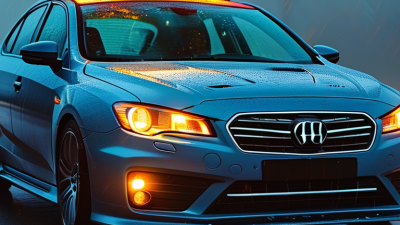
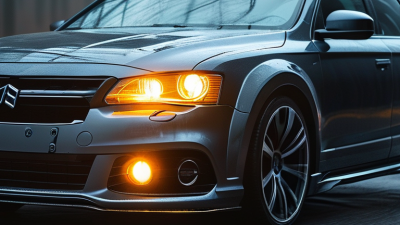
Choosing LED lights for your vehicle isn’t just about grabbing the brightest bulb you can find online. There's more to it than that—think about visibility, compatibility, heat management, weather resistance, and making sure the installation is done properly. Just because a bulb is super bright doesn’t mean it’s perfect; it can still cause glare, beam misdirection, or reflections that distract other drivers. So, yeah, a little extra attention is worth it.
Automotive lighting expert Daniel Stern puts it simply but wisely: “The lamp must serve visibility before appearance.” That’s a good rule of thumb that keeps us grounded. Basically, you want an LED that fits your vehicle’s housing, connector, voltage system, and reflector setup. More importantly, it should light up the road edges without blinding someone coming your way. Always check the actual beam pattern—not just the advertised lumen count. Marketing numbers can look impressive, but they often don’t tell the whole story.
In this guide, we’re going to look at how to really compare LED lights for your vehicle based on what you actually need when you're out driving. We’ll cover low beams, high beams, Fog Lights, daytime running lights, and even interior lighting. Plus, we’ll dig into factors like color temperature, fan noise, cooling space, waterproof seals, and whether the bulbs are compatible with your dashboard controls. And let’s not forget—clean and secure installation makes a difference. Loosely wired bulbs or poorly fitted ones can flicker, let moisture in, or burn out faster.
In the end, experience often tells us what specs alone can’t: a bulb might fit perfectly but perform badly under rain, or look modern but still mess up on the road. I’ve found that “plug and play” isn’t always as simple as it sounds. Sometimes, a little extra testing or tweaking is needed. Your vehicle’s manual and trusted brands are your best guides, and checking out independent reviews can help reveal hidden issues. Remember, the most expensive or hyped-up bulb isn’t always the best choice. What matters most is finding a light that offers reliable, well-controlled visibility tailored to your driving situation.
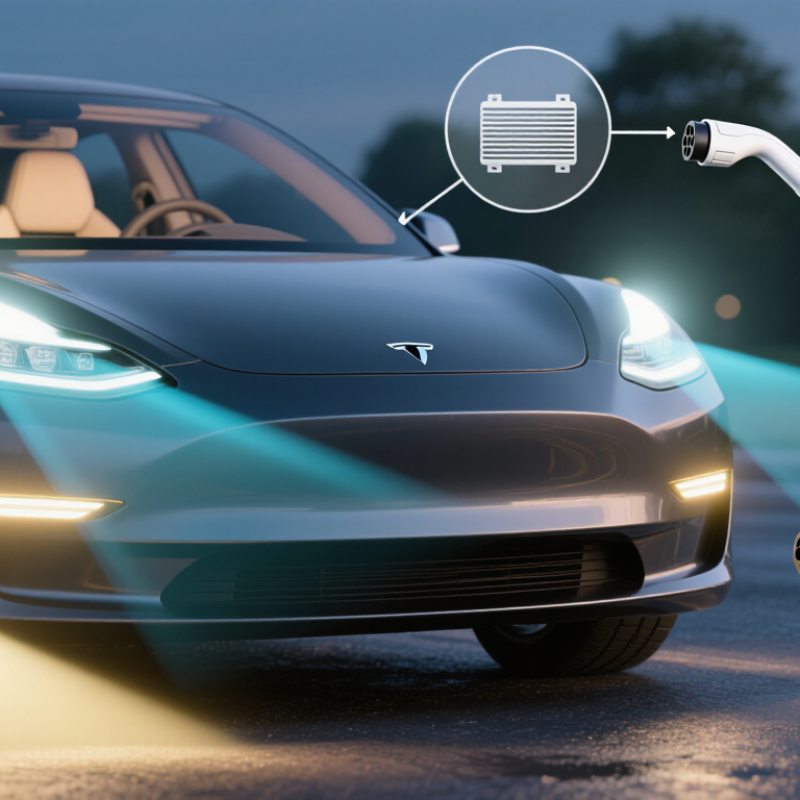
Define Your Vehicle’s LED Lighting Needs
Choosing Led Vehicle Lights should begin with your driving conditions, not a brighter-looking package. Examine your usual routes at night. Do you drive on unlit roads, narrow trails, busy streets, or construction sites? Headlights need a controlled beam for distance and visibility. Fog lamps need a wider, lower pattern that limits reflected glare. Work or reverse lights serve a different purpose entirely.
Check the vehicle’s electrical limits before buying. Confirm voltage, connector type, mounting space, and available power. A larger housing may block airflow or interfere with the bonnet. Measure twice. Review the vehicle manual and inspect the fuse rating. Excessive brightness can distract other drivers, especially when the beam is poorly aimed. A reliable installer can test alignment against a wall and check for warning lights on the dashboard.
Color temperature also deserves practical attention. Extremely cool white light may look sharp, yet it can reduce contrast in rain or dust. A moderate white tone often feels easier on the eyes. Consider vibration, water exposure, and winter temperatures. Look for clear protection ratings and secure wiring, not just impressive lumen numbers. I once focused too much on output and overlooked glare from a badly positioned lamp. That mistake changed my checklist. Test the lights after installation, then retest them with the engine running and the vehicle fully loaded.
Match LED Bulb Types to Your Vehicle
Choosing Led Lights Vehicle Accessories starts with the socket, not the brightest advertisement. Check the owner’s manual or remove the old bulb and read its base. H11, 9005, 9006, H4, and 9003 are not interchangeable. A 9005 may fit physically, yet its beam position can be wrong in an H11 housing. That mistake creates dark patches and glare.
Match the bulb to the lamp design. Reflector headlights need an LED emitter positioned like the original filament. Projector lamps still require accurate focal alignment. For high beams, confirm the 9005 or HB3 code. For low beams, check H11, H7, H4, or the vehicle-specific number. Measure the rear clearance before buying; a cooling fan can touch the dust cap. Some cars also need a compatible load module for flicker or dashboard warnings.
The U.S. Department of Energy’s solid-state lighting research reports laboratory LED efficacy above 200 lumens per watt, but vehicle performance is lower after optics and thermal limits. Efficiency alone proves little. NHTSA Federal Motor Vehicle Safety Standard 108 emphasizes compliant lighting performance, including beam visibility and glare control. Test the cutoff against a wall at night. I once focused too heavily on wattage and overlooked beam geometry. The road looked brighter, but the shoulder remained poorly lit. Check polarity, CAN communication, heat, and sealing before installation. A careful match matters more than impressive numbers.
Check Brightness, Color, and Beam Pattern
When choosing LED lights for a vehicle, start with usable brightness, not the largest lumen number. The U.S. Department of Energy’s 2023 Solid-State Lighting R&D Opportunities report lists laboratory LED efficacy above 200 lumens per watt, while real products perform lower after optics and heat losses. This gap matters. A 6,000-lumen package may look impressive, yet poor cooling can reduce output after several minutes. For Led Vehicle Flood Lights, check measured lumens, thermal management, and current stability. I once trusted the box rating too much. That was a mistake.
Color temperature also changes practical visibility. Around 4,000K to 5,000K usually gives a balanced white beam, with less harsh blue content than very cool light. The Society of Automotive Engineers’ SAE J578 lighting standard emphasizes controlled chromaticity, not simply a “whiter” appearance. Beam pattern deserves equal attention. A broad flood beam can illuminate roadside edges, but it may waste light directly ahead. A focused driving beam reaches farther, though it can create glare when aimed too high. IIHS headlight evaluation reports repeatedly identify glare and inadequate forward illumination as common performance problems. Park the vehicle on level ground, check the cutoff against a wall, and inspect the beam after vibration testing. Real roads are uneven. A perfect garage pattern can still disappoint outside.
2026: How to Choose LED Lights for a Vehicle
Compare brightness, color temperature, and beam pattern by application. Values are typical per-lamp design targets, not legal limits; actual specifications vary by vehicle and lamp housing.
How to read the chart: Higher lumen output generally provides more light, but beam control is equally important. A cooler color around 5000–6000K can look bright and white, while 3000–4000K usually produces less glare in fog, rain, and snow. Wider beams suit fog and work lighting; narrower beams are better for long-distance high-beam illumination.
Verify Fitment, Wiring, and Power Compatibility
2026 How to Choose LED Lights for a Vehicle?
Verify Fitment, Wiring, and Power Compatibility
Choosing an LED vehicle light starts with physical fitment, not brightness. Measure the original bulb’s length, diameter, base, and connector before ordering. A lamp may fit the socket but still touch the housing or block a cooling fan. Leave space around heat sinks. Small details matter.
Check the vehicle’s electrical requirements carefully. Confirm system voltage, polarity, wattage, and connector type. Use a multimeter to test the socket instead of trusting wire colors alone. The light’s power draw should suit the circuit and fuse rating. A higher-wattage replacement can overheat wiring, while a low-draw unit may trigger a dashboard warning on electronically monitored systems. An inline fuse can add protection when the circuit design allows it, but it must be correctly rated.
Inspect the wiring for brittle insulation, loose terminals, and poor ground connections. Moisture inside a connector can cause flickering after rain or washing. I once assumed a lamp was defective, then found corrosion behind the socket. That mistake cost time. Check the service manual and installation instructions, especially for polarity-sensitive lights. Some vehicles may need an approved load resistor or control module, but these parts create heat and need secure mounting away from plastic. Test the beam pattern, indicators, and high-temperature operation after installation. A light that works in the driveway may behave differently after an hour on the road.
Compare Weather Resistance, Lifespan, and Safety
Choosing LED lights for a vehicle should begin with weather resistance, not brightness claims. Real driving exposes lamps to rain, road salt, vibration, pressure washing, and sudden temperature changes. IEC 60529 defines IP ratings, but IP67 does not guarantee permanent sealing after installation damage. IP67 means dust-tight and protected against temporary immersion under laboratory conditions. Check connector seals, vents, lens bonding, and mounting strain. Small details matter.
The U.S. Department of Energy commonly places quality LED life near 25,000 to 50,000 hours. However, that figure often refers to L70, when output falls to 70 percent of its original level. Heat is the difficult variable. Poorly ventilated housings can shorten service life quickly, especially behind a hot engine bay. SAE J575 environmental testing addresses vibration, moisture, temperature, and durability, but aftermarket products may provide limited test evidence. I have seen “lifetime” claims that feel too optimistic.
Safety depends on controlled light, not maximum light. UNECE Regulation No. 48 and SAE photometric practices emphasize correct aiming, beam patterns, and visibility to other road users. A brighter beam can still create dangerous glare when the cutoff is poor. Confirm the lamp’s optical design, thermal protection, and installation angle. Do not rely on appearance alone. Independent test records are better. Yet, even certified equipment can perform poorly after a rushed installation, and that uncomfortable detail is easy to overlook.
Install and Aim the LED Lights Correctly
Choosing OEM Led Vehicle Lights is only half the job. Correct installation protects visibility, wiring, and other drivers. The U.S. Department of Energy reports that LED technology can use at least 75% less energy and last up to 25 times longer than incandescent lighting. However, efficiency does not excuse poor alignment. A bright lamp aimed too high creates glare, not safety.
Park on level ground, inflate the tires, and remove heavy cargo. Measure the headlamp center height from the floor, then mark the same height on a wall about 7.6 meters away. Many service procedures place the low-beam cutoff slightly below this line; verify the vehicle manual and local requirements. Keep both lamps symmetrical. Check the beam at night on a quiet, legal road, never by guessing from the driveway. NHTSA’s 2022 Traffic Safety Facts reported that most pedestrian fatalities occurred in darkness or low-light conditions, making controlled illumination especially important.
Use a fused circuit, sealed connectors, and sufficient wire protection. A loose ground can cause flicker and heat buildup. I once adjusted a lamp until the road looked bright, then noticed signs were washed out. That was a useful mistake. Recheck after a short drive, because vibration can shift the housing. Follow applicable SAE or UNECE aiming guidance, and have a qualified technician verify the pattern when the cutoff remains uneven. Five extra minutes can prevent glare.
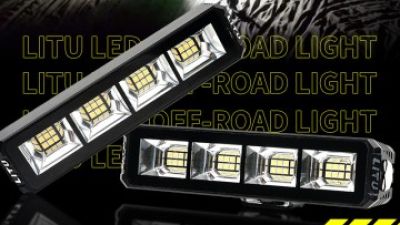
China 20W 6-Inch Slim LED Light Bars: Reliable Off-Road Lighting from Trusted Factory Suppliers
China 20W 6-Inch Slim LED Light Bars offer a practical lighting solution for off-road vehicles, utility equipment, and outdoor applications. Designed with a compact profile, these light bars provide bright, focused illumination while taking up minimal mounting space. Their slim construction supports flexible installation on bumpers, roof racks, work vehicles, and other equipment where dependable visibility is essential. Built for demanding environments, they are suitable for use on trails, construction sites, farms, and during nighttime maintenance tasks.
Sourced directly from reputable factory suppliers in China, these LED light bars are produced under rigorous quality-control standards to ensure consistent performance and reliable craftsmanship. Factory-direct purchasing can provide competitive pricing, stable supply, and flexible support for distributors, retailers, and project buyers. Suppliers can also assist with packaging, product specifications, and order requirements to meet different market needs. With efficient LED technology, durable materials, and a practical 6-inch design, these lighting products help enhance product offerings while delivering dependable value to customers seeking affordable off-road illumination.
FAQS
Check the owner’s manual or read the old bulb base. H11, 9005, 9006, H4, and 9003 are different types. A bulb may fit physically but still produce the wrong beam. Match the socket and lamp design carefully.
The LED emitter should sit where the original filament was positioned. Incorrect alignment can create dark patches or glare. Reflector and projector lamps both need accurate focal placement. Physical fit is not enough.
Choose usable brightness instead of the largest lumen number. Heat, optics, and current control reduce real output. A package may claim high brightness, yet dim after several minutes. Measured performance matters more.
A color temperature around 4,000K to 5,000K often gives balanced white light. Very blue light can look harsh and reduce comfort. Whiter does not always mean better visibility.
Park on level ground and face a wall at night. Keep the vehicle about 7.6 meters away. Mark the lamp height and compare both cutoffs. Look for uneven edges, high hotspots, or scattered light.
Measure the space behind the lamp first. A cooling fan may touch the dust cap. Check polarity, connectors, sealing, wiring, and available clearance. Some vehicles may need a compatible load module for flicker warnings.
Inflate the tires and remove heavy cargo. Keep both lamps symmetrical and slightly below the reference line, following the vehicle manual. Recheck after a short drive. Vibration can shift the housing.
Yes. A lamp aimed too high can glare into approaching drivers’ eyes. Excessive brightness may also wash out road signs. I once focused on wattage and ignored beam geometry. That was a useful mistake.
Check them on a quiet, legal road after the wall test. Inspect forward reach, roadside visibility, glare, and stability. Uneven roads may reveal problems hidden in a garage. Five extra minutes helps.
Conclusion
Choosing the right Led Lights For A Vehicle starts with identifying your driving needs, such as improved visibility, daytime presence, off-road use, or interior illumination. Select a bulb type that matches your vehicle’s lighting system, socket, and intended application. Before purchasing, compare brightness, color temperature, and beam pattern to ensure the light provides useful coverage without creating excessive glare for other road users. Proper fitment is also essential, so check the bulb size, connector design, voltage, wattage, and compatibility with the vehicle’s existing wiring and control systems.
Durability and safety should guide the final decision. Look for lights with suitable weather resistance, effective heat management, and a long service life. During installation, follow the vehicle’s instructions, secure all connections, and inspect the lighting system for flickering or warning indicators. Finally, aim the lights correctly and confirm that the beam is level and properly focused. A careful selection and installation process can improve visibility, reliability, and overall driving confidence.