Leave Your Message
Picking out the best straight Light Bar in China isn't just about looking at the brightness specs. Honestly, buyers need to dig deeper—check out the beam pattern, actual measured output, how well it handles heat, if it's sealed properly, what materials are used, and what warranty you're getting. Sometimes a super bright light isn’t really that helpful if the beam isn’t what you need.
According to Grand View Research, the worldwide automotive lighting market was valued at around $34.5 billion in 2023, and it’s expected to grow roughly 6.8% each year from 2024 to 2030. Keep in mind, though, that this report covers the entire automotive lighting market—nothing specific to straight light bars. That’s an important distinction. It gives you a sense of the market size and trends, but doesn’t necessarily tell you which product is better.
If you're eyeing a 42 Inch Straight Light Bar, it’s a good idea to look at independent testing results whenever you can, instead of just going on advertised lumen numbers. Also, check if the housing is made from materials that resist corrosion—and look at the quality of the lens and wiring; consistent workmanship matters. Don’t hesitate to ask the manufacturers about how they test their products, what their warranty covers, and if they can show quality checks from different batches. Then, compare how far the beam actually reaches relative to where you’ll mount it and your driving conditions.
Details are pretty crucial here.
When it comes to Chinese suppliers, things can vary a lot—from well-established exporters to small factories that don’t have much public testing data. Having a sleek catalog is nice, but it’s not everything. Make sure to request clear documentation, and if possible, check out sample units before placing a big order. This guide aims to help you compare specs, verify manufacturing quality, and assess after-sales support—pretty much the things that can save you headaches later. Just keep in mind, some data can be tricky to verify, so don’t ignore your gut on that one. The “best” light bar really depends on your vehicle, where you’re driving, and your budget. Taking the time to compare options carefully will put you in a much better spot than just chasing some universal winner.
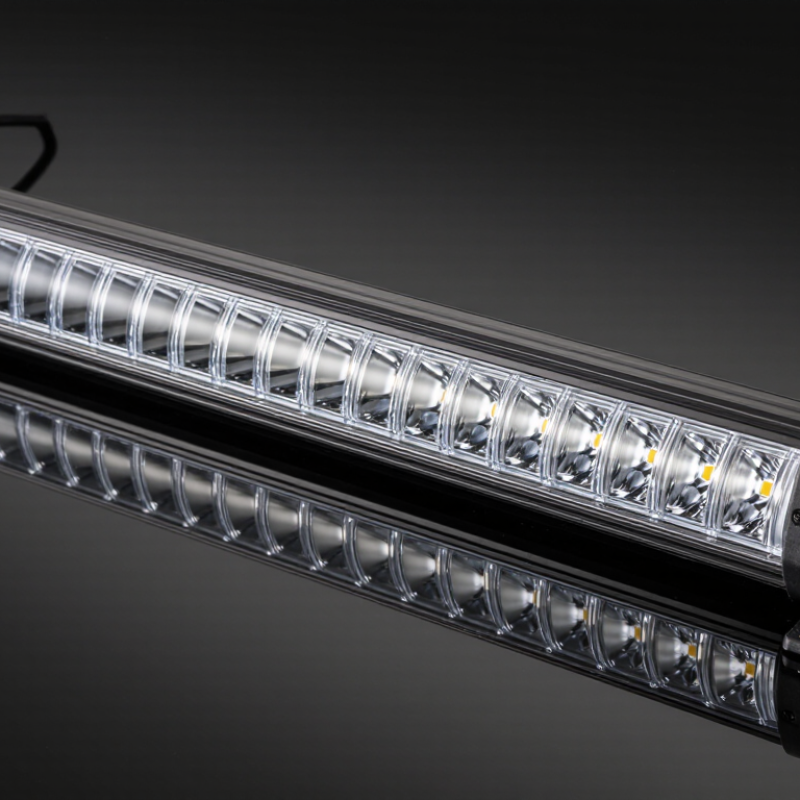
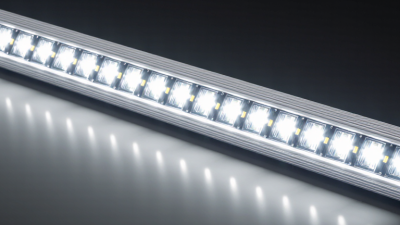
A straight light bar is a slim lighting unit with several LEDs arranged in a row. A typical unit contains LED chips, a circuit board, optical lenses, a driver, and a protective housing. The driver controls current so the LEDs receive steady power. When power reaches the chips, they produce light; the optics then shape its direction and spread. A simple idea, but small design differences matter.
Beam shape depends on the lenses and reflectors, not just the number of LEDs. A wide beam can brighten nearby ground, while a narrower beam reaches farther ahead. Some bars combine both patterns. On a dark worksite, that mix can help reveal objects at different distances. Too much glare, though, can make details harder to see. It is worth checking the beam pattern in real conditions, rather than judging brightness from a product photo.
When assessing a straight light bar made in China, look for clear specifications and test information. Check operating voltage, power draw, housing material, heat management, and the stated water and dust protection rating. A solid aluminum housing can help move heat away from the LEDs, but mounting and airflow still affect performance. Ask how output is measured; advertised figures alone may not reflect usable light. Even careful comparisons have limits, since installation height and vehicle wiring can change what the beam actually does.
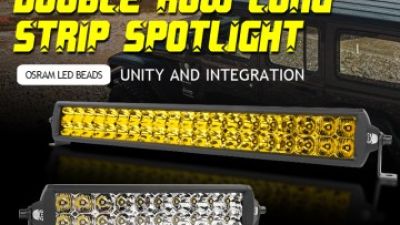
Choosing an LED light bar combo beam with a DT wiring harness starts with matching the light to your vehicle and how you use it. A combo beam combines a focused spot pattern for reaching farther ahead with a wider flood pattern for nearby visibility. Consider the bar’s size, mounting space, operating voltage, and power draw before selecting a model for a truck, ATV, or other vehicle. Check that the harness length suits your installation and that its DT connectors are compatible with the light and designed for a secure connection. A suitable harness can also simplify wiring and help keep connections orderly.
Durability matters when equipment is exposed to vibration, dust, moisture, and changing weather. Look for sturdy construction, reliable sealing, and mounting hardware appropriate for your vehicle, and review the product specifications to confirm compatibility. Our products are proudly manufactured in China, with quality craftsmanship supported by collaboration with trusted suppliers. As an experienced factory, we focus on dependable solutions and ongoing innovation, offering a range of lighting products for customers seeking practical performance and consistent quality. Choosing carefully based on fit, beam coverage, and wiring needs helps you find a setup suited to your vehicle and intended use.
It is a slim lighting unit with LEDs arranged in a row. Small parts matter.
A driver supplies steady current to the LED chips. Lenses and reflectors shape the beam.
Lens and reflector design matter more than LED count alone. Wide beams light nearby ground; narrow beams reach farther.
Check measured output and lux at a stated distance. Headline lumen figures can be misleading.
Review operating voltage, power draw, beam pattern, housing material, and protection ratings. Look for clear test information.
Heat can affect steady output over time. Aluminum housing may help, but airflow and mounting also matter.
Check reports for water and dust protection, vibration, and electromagnetic compatibility. Inspect cable gauge, fuse guidance, sealed connectors, and bracket strength.
Test it at the actual mounting height. Look for dark gaps or distracting glare. Photos may not tell the whole story.
Not always. Installation and vehicle wiring can change performance, and reports may not reflect real mounting conditions. Worth checking twice.
A Straight Light Bar is a linear lighting unit that uses multiple light sources and optics to distribute illumination across a wide area. In China, straight light bars are available in different lengths, beam patterns, output levels, and configurations for vehicles and other applications. Understanding how each type is designed helps buyers match its light coverage and mounting options to their needs.
To compare options, consider brightness, beam distance, power consumption, durability, heat management, and resistance to dust and moisture, along with applicable safety and performance standards. Assess manufacturers by reviewing product specifications, quality-control practices, testing information, and after-sales support rather than relying on claims alone. The best choice depends on the vehicle, intended use, installation space, and desired balance of performance, reliability, and cost. Carefully matching these factors can help ensure suitable lighting without paying for features that are unnecessary.