
Leave Your Message
Picking the right Light Bar manufacturer from China isn't just about shiny brightness numbers. You gotta dig a bit deeper—things like how the beam patterns look, how efficient those LEDs really are, how tough the housing feels, whether it's sealed up well against dust and water, and of course, what kind of warranty they’re offering. A super-bright light can still be a pain if it causes glare or leaves dark spots in your field of view.
Daniel Stern, a pro in automotive lighting, once said, “More light doesn’t necessarily mean better light.” That really hits home when you're looking at brands like Auxbeam, Nilight, Aurora, or OEDRO. They’ve got all kinds of options—compact grille lights, long-range off-road bars, and the trendy Light Bar Work Light. Many of their models feature aluminum housings, polycarbonate lenses, and IP67 or IP68 ratings for protection. Those little details really matter when you're dealing with rain, dust, vibrations, or winter driving conditions.
In this rundown, I want to keep things real—no hype, just facts based on actual tests. We’ll look at things like beam performance, how well they manage heat, the reliability of their drivers, connector design, the scale of production, and what kind of after-sales support you can expect. Sometimes, factory samples look perfect—awesome even—but that doesn’t always match what you get in the actual product line, so it’s worth noting.
Remember, not every “top” brand is right for every job. A mining vehicle needs different lighting gear than a regular pickup or an emergency trailer. Also, make sure to check if the product has the necessary certifications for your target market. Bucking the trend, a cheap price tag might hide less-than-stellar wiring, inconsistent LEDs, or limited support. That said, Chinese manufacturers are continuously upping their game, especially because they’re super flexible when it comes to production. The only thing is, sometimes their transparency isn’t the clearest—kind of like a mixed bag. This guide aims to give you a balanced view so importers, distributors, and pros can make smarter, more grounded decisions.
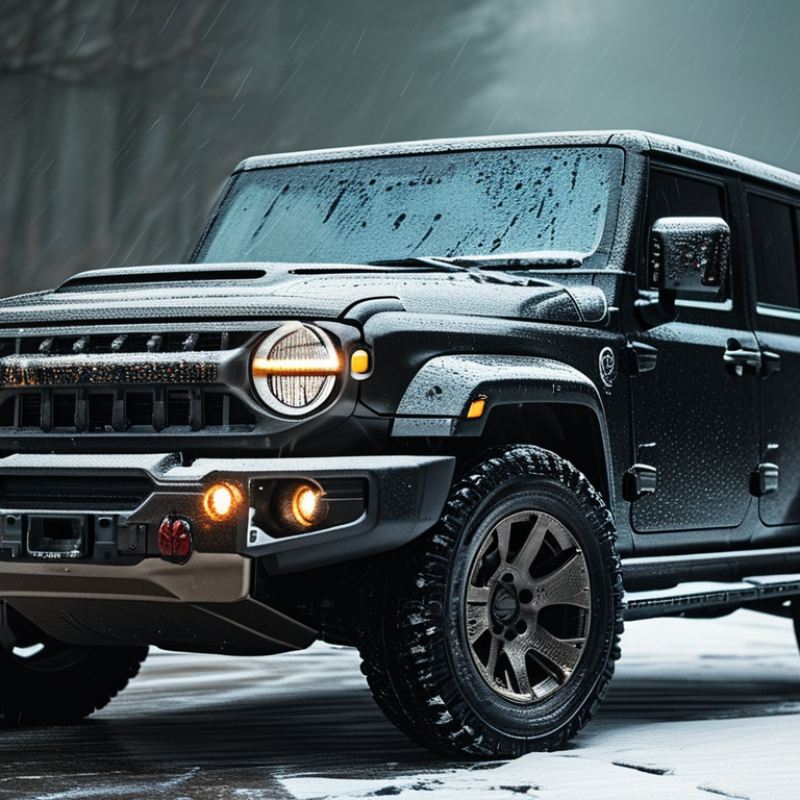
A Light Bar is a linear lighting unit that combines LEDs, a housing, optics, and electrical controls. Unlike a bare bulb, it spreads light across a defined area. Many models use aluminum bodies for heat control and sealed covers for dust resistance. ARound Light Light Bar may provide wider, softer illumination than a narrow rectangular design. Its actual performance depends on beam angle, color temperature, wattage, and thermal management, not appearance alone.
Light bars are used in workshops, warehouses, garages, vehicles, agricultural equipment, and outdoor work areas. On a workbench, a 4000K or 5000K light can reveal scratches, oil traces, and small components without creating excessive color distortion. In a warehouse, longer units reduce dark gaps between storage racks. Vehicle installations need secure brackets, protected wiring, and suitable weather resistance. Poor mounting can cause vibration, glare, or premature failure. It happens more often than product descriptions suggest.
When comparing Chinese light bar manufacturers, buyers should request test data, electrical specifications, sealing details, and samples for inspection. I usually examine solder joints, cable flexibility, lens uniformity, and heat buildup after continuous operation. Marketing figures can be optimistic. Independent testing is safer. A bright lamp is not automatically a useful lamp. Installation height, viewing angle, and surrounding surfaces can change the result. Some products look impressive in photographs but perform unevenly in real spaces. That detail deserves more attention.
| Light Bar Category | Main Function | Typical Voltage | Common LED Configuration | Typical Color Temperature | Typical Protection Rating | Common Applications | Typical Mounting Method |
|---|---|---|---|---|---|---|---|
| Automotive Led Light Bar | Provides wide-area or long-distance illumination for vehicles | 12 V DC or 24 V DC | High-power LEDs with spot, flood, or combination optics | 5,000–6,500 K | Usually IP67 or IP68 | Off-road vehicles, utility vehicles, agricultural machinery, emergency vehicles | Roof, grille, bumper, roll cage, or custom brackets |
| Warning and Signal Light Bar | Creates highly visible flashing or rotating warning signals | 12 V DC, 24 V DC, or 48 V DC | Multi-color LEDs with programmable flash patterns | Red, amber, blue, white, or combinations | Commonly IP65–IP67 | Maintenance vehicles, construction equipment, roadside service vehicles, industrial sites | Magnetic base, permanent bolt mounting, or roof brackets |
| Industrial LED Light Bar | Delivers uniform illumination in demanding work environments | 12–48 V DC or 100–277 V AC | Linear LED arrays with aluminum heat sinks | 4,000–6,500 K | IP65–IP69K, depending on the environment | Factories, warehouses, workshops, machine tools, production lines | Surface clips, brackets, magnetic mounts, or recessed channels |
| Architectural Linear Light Bar | Provides decorative, accent, cove, or contour lighting | 12 V DC, 24 V DC, or 48 V DC | SMD LED strips or rigid linear LED modules | 2,700–6,500 K; RGB and RGBW options available | IP20 for indoor use; IP65–IP68 for protected outdoor use | Hotels, retail stores, offices, façades, cabinets, ceilings, and signage | Aluminum profiles, clips, adhesive backing, or recessed installation |
| Marine LED Light Bar | Improves visibility and deck illumination in wet environments | 12 V DC or 24 V DC | Corrosion-resistant high-output LEDs | 5,000–6,500 K; amber options for reduced glare | Usually IP67 or IP68 | Boats, docks, marine equipment, coastal facilities, and fishing vessels | Stainless-steel brackets, deck mounts, or overhead rails |
| Solar-Powered Light Bar | Provides off-grid lighting with battery-supported operation | 3.2 V, 6 V, 12 V, or 24 V DC systems | Energy-efficient LEDs connected to a solar controller and battery | 3,000–6,500 K | Typically IP65–IP68 | Remote roads, farms, campsites, security areas, and temporary work zones | Pole, wall, ground stake, or dedicated solar mounting frame |
| Explosion-Resistant Light Bar | Provides illumination in locations where hazardous gases or dust may be present | 24 V DC or 100–277 V AC | Sealed LEDs with certified protective housing | 4,000–6,500 K | Commonly IP66 or higher | Oil and gas facilities, chemical plants, mines, fuel storage, and processing areas | Fixed brackets, conduit-supported mounts, or equipment frames |
: The industry has three main layers. Upstream suppliers produce LEDs, aluminum housings, lenses, drivers, and connectors. Midstream factories assemble auxiliary lighting products. Distributors, installers, and private-label buyers reach end markets. The structure is efficient, but quality can vary widely.
Many components come from nearby automotive suppliers. Factories can share tooling, optical testing, die casting, and electronic sourcing. This reduces prototype costs and shortens production timelines. It does not guarantee consistent quality.
Request beam charts, measured lumen output, current draw, and operating temperature. Inspect connector sealing and housing thickness. Look for batch records and test conditions. Looks can deceive.
Quality systems may follow ISO 9001 principles. Engineers may consider CISPR 25 for electromagnetic compatibility. Regional vehicle regulations may include ECE R10. IEC 60529 helps assess dust and water resistance. An IP rating alone proves limited durability.
Ask for aluminum housing details and thermal test results. Thermal cameras can reveal hot spots near circuit boards. Check brightness after extended operation. Poor heat control may shorten service life.
Useful tests include vibration, salt spray, moisture, aging, and power cycling. Factories should also inspect solder joints and lens alignment. Request photometric data from recent production batches. Test it at night.
Match the product to its application. Mining equipment needs strong vibration resistance. Agricultural equipment may face mud and moisture. Ask for samples under identical voltage and mounting conditions. Quality deserves more weight than price.
Some supply chains change component sources during production. Brightness, color temperature, and service life may then shift. Request traceability from LED source to final packaging. Keep written communication records. The risk is easy to miss.
A light bar may pass laboratory checks but perform poorly on uneven roads. Night testing can reveal glare, uneven coverage, weak connectors, or heat problems. Rain and vibration expose weaknesses that catalogs cannot show. A cheaper sample once seemed attractive, but repeated vibration revealed connector problems. That mistake was costly.
This guide explains what a Light Bar is, how it is used in vehicles, industrial equipment, emergency systems, agriculture, construction, and outdoor applications, and why China has become an important manufacturing center for this product category. It examines the structure of China’s light bar industry, including specialized factories, integrated lighting suppliers, component producers, and export-oriented manufacturers. The article also discusses how manufacturers are recognized for quality through design capability, production consistency, testing procedures, customization services, and after-sales support.
It further compares Chinese light bar manufacturers by product type, such as curved, straight, compact, heavy-duty, work-light, and warning-light models. Key production factors include LED efficiency, beam patterns, heat management, waterproof construction, material selection, electrical safety, and applicable international standards. Finally, the guide provides practical advice for buyers, focusing on specifications, certifications, performance testing, production capacity, quality control, delivery reliability, customization options, and total purchasing value when comparing potential suppliers.


