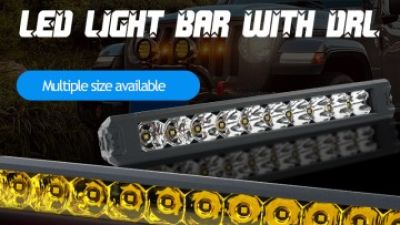
A Super Bright LED Bar is a kind of linear light fixture that's built to deliver strong, focused brightness over a broad area. Usually, it packs multiple LED chips into a slim aluminum housing. The design includes a clear lens, a reflector, and a heat sink, all working together to control how the light comes out. But hey, brightness isn't the only thing that matters—things like beam angle, color temperature, power consumption, and thermal management all play a role in how well it actually performs.
When you’re using one in real life—a workbench, your vehicle, a warehouse aisle, or even outdoors—the difference really shows. A good Led Bar will cast a clean, even beam on dark surfaces without causing annoying glare. Keep in mind, though, that product labels can sometimes be a bit deceiving. Lumens numbers might sound impressive, but they often show theoretical outputs rather than what you’ll get after using the light for a while. It's a smart idea to look at real-world measurements—like how it performs at different temperatures, its IP rating, wiring needs, and how sturdy the mounting is. When possible, check if there’s testing info from reputable labs, and make sure the manufacturer explains all these details clearly.
Of course, in the real world, small issues pop up. A really bright light might shine a spotlight on dust or uneven surfaces, or expose poor positioning. At first, it might seem super powerful, but heat can sometimes cut down on performance, which can be kinda disappointing. So, choosing the right light means matching it to where you’ll use it, how long you need it to last, and how far away you’ll be viewing it. When installing, just follow the instructions and make sure electrical safety rules are followed. Also, don’t block the vents around the fixture, and give the connectors and cables a quick check before regular use.
This guide will walk you through what makes Super Bright LED Bars tick, where their strength comes from, and how to really compare them without getting fooled by fancy specs. Some figures are tough to verify, so a bit of hands-on testing is still the best way to go. Ultimately, a good light should give you reliable visibility, not just look impressive on paper.
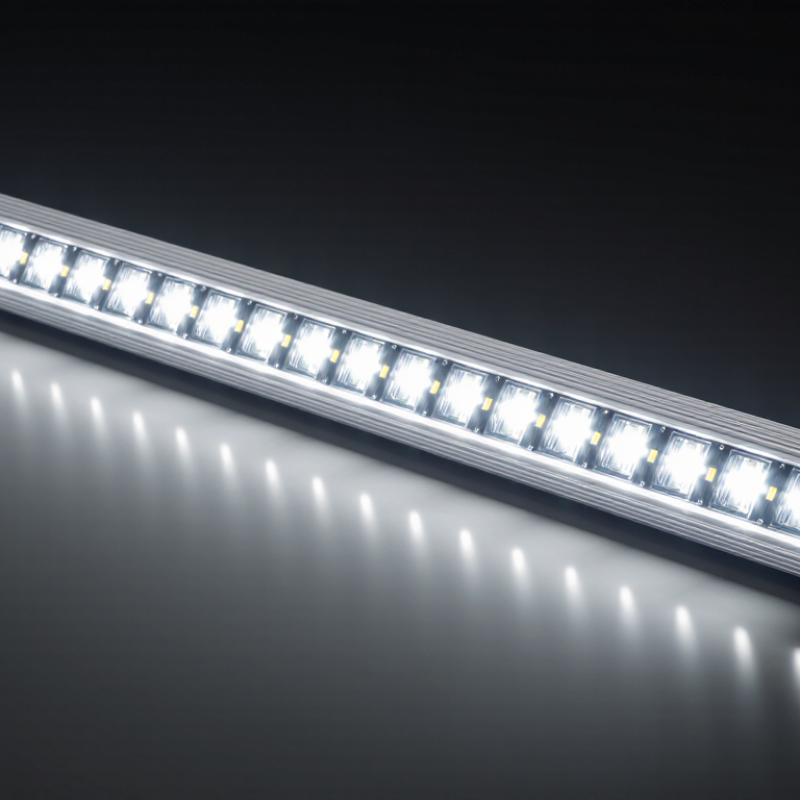
A super bright LED bar light is a long, narrow fixture that produces intense, even illumination. It uses multiple light-emitting diodes arranged along a bar-shaped housing. “Super bright” is a descriptive term, not a universal lighting standard. A reliable evaluation should examine measured lumens, power consumption, and luminous efficacy. In practical terms, a 10,000-lumen bar can brighten a workshop, garage, warehouse aisle, or outdoor work area.
Core features include high light output, a wide beam pattern, and efficient energy use. Many models offer adjustable color temperatures, such as cool white for detailed tasks or neutral white for general visibility. A high color rendering index can also make tools, wiring, and surface colors appear more naturally. This matters during inspection work. Small color differences can reveal damage or contamination.
Heat control is equally important. Bright LEDs create heat, even when they use less electricity than older lamps. Aluminum housings and rear heat sinks help move heat away from the diodes. Poor cooling may reduce brightness over time. I have found that a high lumen number can be misleading without thermal information. A brighter beam is not always better. Glare, shadows, and uneven mounting can reduce comfort. Check the beam angle, diffuser, mounting hardware, and ingress protection rating before installation.
A Super Bright Led Light Bar produces intense illumination through three coordinated elements: high-output LED chips, efficient optics, and controlled electrical current. The chips convert electricity into light, while reflectors or lenses concentrate that light into a narrow or wide beam. Measured brightness should include lumens, lux, and candela.
The U.S. Department of Energy’s 2023 Solid-State Lighting R&D Opportunities report identifies efficiencies above 200 lumens per watt as an important development benchmark. That figure is not a guaranteed retail rating. Real performance depends on heat, optics, and driver quality. Thermal paths move heat from the LED board into an aluminum housing. Without this control, brightness can fall as temperatures rise.
The IEA’s Energy Efficiency 2023 report also supports LED adoption because efficient lighting can reduce electricity demand substantially compared with older technologies. Still, “super bright” is an imprecise phrase. A high-lumen bar may create glare rather than useful visibility.
I have found that beam angle matters as much as headline output. A tight beam can brighten a distant wall, while a wider beam better illuminates a workbench. Testing should use documented photometric data, stable input voltage, and clear operating temperatures. Manufacturer claims deserve checking.
A super bright LED bar light combines high-output LEDs, a stable driver, and effective heat control. Its brightness depends on more than the advertised lumen number. LED efficiency, optical lenses, and housing design all affect real performance. A quality aluminum body spreads heat away from the diode board. This helps reduce output loss during long operating periods. I usually check measured lumens, not only theoretical LED output. The difference can be surprisingly large.
Key specifications deserve close attention. Look for luminous efficacy, measured in lumens per watt, and a suitable color temperature. A 4000K to 5000K tone often provides clear, neutral visibility. Color rendering matters too, especially for workshops, inspection areas, and detailed tasks. A CRI above 80 is practical, while higher values improve color accuracy.
Check the beam angle before installation. A narrow beam creates stronger highlights, while a wider beam spreads light more evenly. Also review input voltage, dimming compatibility, IP rating, and rated lifetime. Lifetime claims can vary because testing conditions are not always realistic.
A super bright LED bar light is a linear fixture built for high output, focused coverage, or both. “Super bright” is not a regulated performance class, so compare lumens, beam angle, color temperature, and system efficacy. The U.S. Department of Energy’s 2023 Solid-State Lighting R&D Opportunities report notes that LED packages can exceed 200 lumens per watt in laboratory conditions. Real fixtures usually perform lower because of optics, drivers, heat, and housing losses.
Common types include rigid aluminum bars, flexible strip bars, modular linkable units, and heavy-duty enclosed fixtures. Rigid bars suit workshops and garages. Flexible versions fit curved shelves, but their heat management can be weaker.
SMD layouts spread light evenly, while COB designs create a smoother continuous line. Clear lenses produce sharper beams. Frosted lenses reduce glare, though they also reduce peak brightness. Reflectors can push light onto a workbench instead of wasting it across a wall.
Design variations also include 12V, 24V, and mains-powered systems, plus dimmable or sensor-ready controls. Outdoor models may use sealed housings, but an IP rating should be checked carefully; it does not guarantee impact resistance. When specifying an OEM Super Bright Led Bar, request measured lumens, wattage, thermal test conditions, and photometric files. Marketing numbers can be optimistic. That matters. A cooler aluminum body, visible wiring space, and replaceable driver often indicate better long-term serviceability, although none is perfect.
What Is a Super Bright LED Bar Light?
A super bright LED bar light uses a long, narrow housing filled with efficient light-emitting diodes. It produces strong, even illumination across workspaces, vehicles, buildings, and outdoor areas. In practical use, brightness alone is not enough. Beam angle, color temperature, heat control, and weather resistance affect real performance.
Inside workshops, these lights can illuminate benches, storage aisles, inspection stations, and garage ceilings. A broad beam reduces harsh shadows when repairing machinery or sorting small parts. In kitchens and retail displays, lower-power models provide clean task lighting without overwhelming nearby surfaces. For offices, softer color temperatures may feel more comfortable during long working hours. I have found that poor positioning can create glare, even with excellent LEDs.
Outdoor applications demand stronger protection. A sealed bar light can support loading zones, pathways, parking areas, agricultural buildings, and construction work. Look for suitable ingress protection, secure mounting, and stable operation in changing temperatures. Vibration resistance also matters on mobile equipment. The Best Super Bright Led Bar should match the environment, not simply offer the highest lumen rating.
Installation should include safe wiring, proper fuses, and adequate ventilation around the housing. Some users overlook heat buildup behind tightly enclosed fixtures. That mistake can shorten service life. Another concern is excessive brightness near roads or neighboring properties. Careful aiming protects visibility and comfort. Specifications help, but field testing reveals what a product truly does.
Super bright LED bar lights provide long, uniform illumination for work areas, commercial spaces, and outdoor environments. The chart shows representative target illuminance levels for common applications, measured in lux. Actual requirements vary according to task complexity, mounting height, surface reflectance, and local lighting standards.
What Is a Super Bright LED Bar Light?
A super bright LED bar light uses multiple light-emitting diodes in a long, compact housing. It can produce a wide beam for workshops, vehicles, warehouses, or outdoor work areas. In practical use, the extra brightness improves visibility around dark corners and uneven surfaces. I have learned that brighter is not always better. Poorly aimed light can create glare, eye strain, and harsh reflections on wet roads or polished floors.
Its benefits include strong illumination, low energy use, and a long service life. Many models also resist vibration and moisture when properly sealed. However, performance depends on beam angle, color temperature, heat control, and installation quality. A narrow beam may reach far but leave nearby areas dark. A wide beam offers better coverage but may waste light outside the working zone. Some units also need substantial wiring and stable power. That detail is easy to overlook.
Safety requires careful handling. Never stare directly into the LEDs, especially at close range. Keep the light away from flammable materials, and allow ventilation around its housing. Check the electrical rating before connecting it. Outdoor installations need suitable sealing, secure mounting, and protected cable connections. A responsible Super Bright Led Bar Factory should provide tested specifications, clear instructions, and realistic brightness data. Still, product claims deserve verification. I would inspect the housing temperature after extended use, because a light can appear efficient while quietly producing excessive heat.
| Data Dimension | Typical Information | Practical Benefit or Concern | Important Consideration |
|---|---|---|---|
| Definition | A super bright LED bar light is a linear lighting fixture that uses multiple light-emitting diodes arranged in a bar-shaped housing. | It produces concentrated, directional illumination across a relatively wide area. | “Super bright” is a descriptive term rather than a universal technical standard, so actual performance must be checked using measured specifications. |
| Common Applications | Used for vehicle auxiliary lighting, workshops, garages, outdoor areas, industrial equipment, and task lighting. | Provides additional visibility where a standard lamp may not deliver enough directional light. | The light pattern and mounting method should match the intended application. |
| Brightness Measurement | Brightness is commonly described using lumens for total light output and lux for light reaching a specific surface. | These measurements help compare useful illumination more accurately than wattage alone. | Advertised lumen values may be theoretical. Optical losses, heat, wiring, and operating conditions can reduce real-world output. |
| Typical Power Range | Many consumer and auxiliary LED bars operate from approximately 10 W to more than 200 W, depending on length and intended use. | Lower-power models generally use less electricity, while higher-power models can provide greater output. | Confirm the actual current draw and ensure that the power supply, fuse, switch, and wiring are properly rated. |
| Electrical Systems | Common low-voltage versions are designed for nominal 12 V or 24 V systems; some indoor products use mains power through an appropriate driver. | Low-voltage designs are convenient for vehicles, batteries, and off-grid systems. | The operating voltage must match the electrical system. Connecting a product to an unsuitable voltage can cause failure, overheating, or fire. |
| Energy Efficiency | LEDs generally convert a larger portion of electrical power into visible light than incandescent lamps. | They can provide strong illumination with lower energy use and reduced battery drain for comparable lighting tasks. | Efficiency varies with LED quality, temperature, optics, driver design, and brightness settings. |
| Service Life | LED products are often rated for tens of thousands of operating hours under specified conditions. | They usually require less frequent lamp replacement than conventional filament-based lighting. | The rating is not a guarantee of failure-free operation. Heat, vibration, moisture, driver quality, and installation affect actual life. |
| Heat Management | LEDs produce less radiant heat than incandescent lamps, but they still generate heat at the diode and circuit components. | Aluminum housings and heat sinks can help transfer heat away from the LEDs. | Blocked airflow, enclosed mounting, or excessive ambient temperature can reduce brightness and shorten service life. |
| Beam Pattern | Common patterns include spot, flood, and combination beams. Spot beams concentrate light farther ahead, while flood beams spread it more widely. | Choosing the correct pattern improves visibility for the specific task or environment. | A very narrow or intense beam may create glare and may not be suitable for public-road use. |
| Color Temperature | Many LED bars use cool white light, commonly around 5,000–6,500 K, although warmer options are also available. | Cooler light can appear crisp and bright, while warmer light may produce less harsh contrast in some conditions. | Color temperature is different from brightness. A higher Kelvin value does not automatically mean higher light output. |
| Weather Resistance | Outdoor models may include an ingress protection rating that indicates resistance to dust and water under defined test conditions. | A suitable rating can improve reliability in rain, dust, and outdoor environments. | Ingress protection does not make a product indestructible. Seals, connectors, cable entries, and mounting orientation still require attention. |
| Durability | Solid-state LEDs have no filament and generally tolerate vibration better than filament-based lamps. | They are useful for vehicles, machinery, and other applications exposed to movement or vibration. | Impact damage, poor mounting, corrosion, and cable strain can still cause premature failure. |
| Installation Requirements | Installation may require secure brackets, suitable fasteners, correctly sized wiring, an inline fuse, and a compatible switch or relay. | Proper installation supports stable operation and reduces electrical and mechanical risks. | Disconnect power before wiring. Vehicle and mains installations should follow applicable electrical codes and manufacturer instructions. |
| Glare and Eye Safety | High-output LED bars can produce intense luminance and uncomfortable glare when viewed directly or aimed toward other people. | Correct positioning and beam control improve comfort and visibility for everyone nearby. | Do not stare into the LEDs. Avoid aiming the light at drivers, pedestrians, aircraft, or reflective surfaces at close range. |
| Road-Legal Use | Auxiliary Light Bars may be subject to restrictions involving mounting height, beam direction, color, shielding, and operating conditions. | Compliance helps prevent unsafe glare and potential legal problems. | Check the laws and regulations applicable to the location and vehicle before using an LED bar on public roads. |
| Limitations | Performance can be affected by heat, voltage fluctuation, moisture intrusion, poor optics, limited color rendering, and inaccurate marketing claims. | Understanding these limits helps users select a product based on real requirements rather than appearance alone. | Compare verified lumen output, power consumption, beam pattern, operating temperature, warranty terms, and safety certifications where applicable. |
| Best Selection Criteria | Evaluate output, beam pattern, voltage, current draw, dimensions, mounting options, environmental rating, thermal design, and intended use. | A balanced specification usually provides better results than choosing the highest advertised wattage. | Prioritize tested performance, reliable construction, safe installation, and suitability for the operating environment. |
Choosing a single-row combo beam LED light bar begins with matching the beam pattern to the vehicle and terrain. A combo design combines a focused spot beam for distance with a wider flood beam for trail edges, making it suitable for SUVs, UTVs, ATVs, trucks, boats, and other off-road applications. The U.S. Department of Energy’s solid-state lighting reports identify LED systems as offering high efficacy, long service life, and improved energy efficiency compared with traditional lighting technologies. For practical selection, compare total luminous output, beam distance, operating voltage, current draw, and color temperature rather than relying on wattage alone.
Durability is equally important. For exposed installations, choose an aluminum housing, impact-resistant lens, corrosion-resistant fasteners, and an ingress-protection rating verified under IEC 60529. An IP67 enclosure is designed to resist dust ingress and temporary immersion, while higher protection may be preferable for boats or frequent water crossings. Check whether the light has thermal management, reverse-polarity protection, vibration resistance, and a stable mounting system. SAE lighting test practices, including SAE J575 and SAE J578, provide useful references for evaluating vibration, environmental resistance, and optical performance.
A reliable China-based factory can supply single-row combo beam bars in different lengths, wattages, mounting options, and wiring configurations for specific vehicle platforms. Prioritize manufacturers that provide production inspection records, photometric test data, waterproofing verification, and documentation supporting applicable international requirements. Working directly with an experienced supplier can also offer competitive pricing, consistent batch quality, private customization, and efficient delivery for distributors and off-road equipment installers.
It is a long, narrow fixture containing multiple light-emitting diodes. It provides strong, focused, or wide illumination. Brightness is not everything.
Common locations include workshops, garages, kitchens, storage aisles, and inspection stations. Outdoor uses include pathways, loading zones, parking areas, and agricultural buildings. Match the light to the setting.
Compare measured lumens, beam angle, color temperature, and system efficacy. Laboratory efficiency can exceed real fixture performance. Marketing figures may be optimistic.
Rigid aluminum bars suit straight surfaces, benches, and garage ceilings. Flexible bars fit curved shelves and tight spaces. Their heat management may be weaker.
No. A narrow beam reaches farther but can leave nearby areas dark. A wide beam covers more space but may waste light. Positioning still matters.
Use suitable wiring, proper fuses, and stable electrical power. Leave ventilation around the housing. Never stare directly into the LEDs.
Yes, when the housing, wiring, and mounting suit outdoor conditions. Check the IP rating carefully. It does not guarantee impact resistance.
Excessive heat can shorten service life, even when the light appears efficient. Inspect the aluminum housing after extended operation. I might overlook this too.
Request measured lumens, wattage, thermal test conditions, and photometric files. Check color temperature, beam angle, and driver serviceability. Real-world testing remains useful.
A Super Bright Led Bar is a linear lighting fixture designed to deliver powerful, concentrated illumination across a broad or targeted area. It typically combines high-output LED chips, an aluminum housing, a heat-dissipation system, an optical lens, and a regulated power supply. Brightness depends on factors such as wattage, lumen output, color temperature, beam angle, and electrical efficiency. Some designs are compact and rigid for indoor use, while others feature waterproof housings, adjustable brackets, multiple beam patterns, or modular sections for outdoor environments.
These lights are commonly used in workshops, garages, warehouses, retail spaces, task areas, vehicles, landscape projects, and general outdoor lighting. Their main advantages include strong illumination, low energy consumption, long service life, quick installation, and flexible mounting options. However, excessive brightness may cause glare, heat must be managed properly, and outdoor models require suitable protection against moisture and dust. Safe installation, correct voltage, secure mounting, and responsible positioning are essential for reliable performance and comfortable viewing.