Leave Your Message
0%

More and more, people around the world are seeing lighting not just as a cool gadget or accessory, but as a smart investment in reliability. According to the International Energy Agency, lighting still accounts for a huge chunk of global electricity use. On the other hand, the U.S. Department of Energy points out that LED technology is really the way forward—helping us save energy and enjoy longer-lasting lights. All these insights partly explain why there’s a growing buzz about Off Road Flood Lights for trucks, farm equipment, mining vehicles, emergency services, and outdoor gear.

Honestly, the benefits are pretty clear. A good-quality light can easily brighten up a muddy trail, a remote work site, or a shady loading zone, spreading a wide, well-controlled beam. But here’s the thing—just focusing on brightness isn’t enough when picking out a light. You’ve gotta dig a little deeper—look at lumen output, how well it manages heat, how resistant it is to vibrations, how well it’s sealed up against dust and water, and if the optical quality is consistent. The IEC 60529 standard, which covers IP ratings like IP67, is a good benchmark—it means the light can handle dust and brief water immersion. But keep in mind, that doesn’t mean it’ll perform perfectly in every harsh climate out there.

And if you're selecting lights for vehicles, standards like SAE J575 are helpful, especially for testing how the lights hold up under vibrations and tough conditions. Still, no single test can tell the whole story—real-world conditions are messier. Sometimes, lights pass lab tests with flying colors but then flunk out after months in mud, salt spray, or rough wiring. That’s why global buyers really need clear, traceable specs, solid test results, warranties, and realistic data on how the beam actually performs. In the end, Off Road Flood Lights are most valuable when their engineering specs line up with what they’re actually tested against in real-life situations.
Why Are Off Road Flood Lights Ideal for Global Buyers?

What Are Off-Road Flood Lights?

Why Are Off Road Flood Lights Ideal for Global Buyers?

What Are Off-Road Flood Lights?

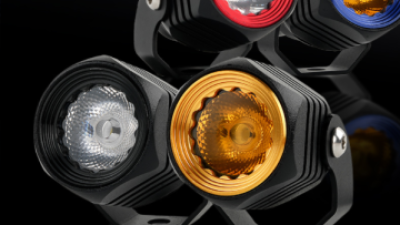
Off-road flood lights are wide-beam LED fixtures for vehicles, machinery, camps, and remote work areas. They spread intense light across uneven ground, muddy tracks, and dark loading zones. Unlike narrow spotlights, they reduce harsh shadows near the vehicle. A durable housing, sealed connectors, vibration resistance, and thermal control matter in real outdoor use. IP ratings also help buyers compare water and dust protection.

The U.S. Department of Energy reports that LED lighting can use at least 75% less energy than incandescent lighting. Its solid-state lighting research also records laboratory LED efficacies above 200 lumens per watt. Complete floodlight systems perform below that figure. This difference is easy to overlook. Buyers should check system lumens, not only chip specifications. In field conditions, poor mounting can waste a bright lamp. Light may point into trees instead of the work area.

Tips: Match beam width to the task. Choose a broad beam for close ground coverage and a mixed beam for longer trails. Check operating temperature, current draw, mounting strength, and replacement access. The International Energy Agency’s Energy Efficiency 2023 report highlights efficient lighting as a practical way to reduce electricity demand. Still, efficiency cannot replace safe positioning. A lamp that is too bright may create glare, while a weak fixture leaves hidden hazards. Test the light at night before buying in bulk.

How Do Off-Road Flood Lights Work?

Why Are Off Road Flood Lights Ideal for Global Buyers?

Off Road Led Flood Lights work by converting direct-current power into controlled light through an LED driver. The driver regulates voltage and protects the diodes from unstable vehicle power. Each diode produces light when electrical current passes through its semiconductor junction. A reflector or lens then spreads that light across rocks, tracks, and work areas.

Heat control is equally important. A metal heat sink draws warmth away from the LED board. Excessive heat can reduce brightness and shorten service life. The U.S. Department of Energy reports that LED lighting uses at least 75% less energy than incandescent lighting. Its SSL research also shows high laboratory efficacy, although real outdoor performance is usually lower. That difference deserves attention.

Beam angles create practical results. A narrow beam reaches distant terrain, while a wide beam covers nearby ground. Sealed housings resist dust and water, but buyers should check the stated IP rating. IEA reports that lighting represents about 15% of global electricity consumption. Efficient auxiliary lighting can therefore reduce battery demand in mobile equipment. Still, wattage alone does not prove quality. A poorly designed lamp may create glare, uneven shadows, or disappointing reach. Field technicians often test illumination at several distances before installation. The figures are useful, but the trail remains the final judge.

Off-road flood lights work by directing a wide beam of high-intensity light onto a large area. This chart shows the theoretical illuminance produced by a 10,000-lumen flood light with a 60° beam angle at different distances. As distance increases, illuminance decreases according to the inverse-square law, while reflector and lens design help distribute light where it is needed.

Which Features Matter to Global Buyers?

Global buyers judge off-road flood lights by reliability, compatibility, and serviceability, not brightness alone. The International Energy Agency reports that lighting uses about 15% of global electricity. Efficient LED designs can therefore reduce operating costs in remote work areas. The U.S. Department of Energy also states that LEDs use at least 75% less energy and last up to 25 times longer than incandescent lighting.

Voltage flexibility matters across markets. Buyers should check whether a unit supports common vehicle systems, such as 9–32V DC, and whether surge protection is included. An IP67 rating, defined by IEC 60529, indicates dust-tight construction and protection during temporary water immersion. Impact resistance is also important. An IK08 housing, tested under IEC 62262, can better withstand stones, tools, and rough handling. Small details matter.

Beam control deserves equal attention. A wide flood pattern helps illuminate uneven ground, while a mixed beam can reveal obstacles farther ahead. Excessive brightness may create glare and eye fatigue. That trade-off is easy to miss. For the Best Off Road Flood Lights, buyers should request photometric files, measured lumen output, color temperature, mounting dimensions, and conformity documents for the target region. In my experience, replaceable brackets and sealed connectors simplify field repairs. Still, advertised lifetime figures often depend on temperature and installation quality, so real testing remains necessary.

Where Are Off-Road Flood Lights Commonly Used?

Why Are Off Road Flood Lights Ideal for Global Buyers?

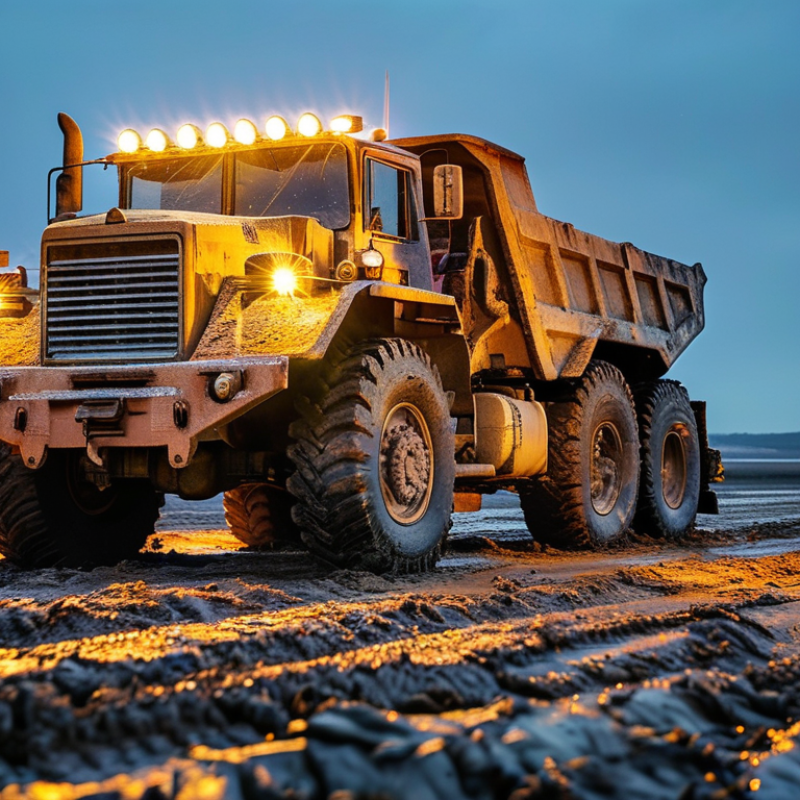
Off-road flood lights are commonly used where paved roads end and dependable visibility matters. Farmers mount them on tractors, harvesters, and utility vehicles for early morning work. Construction crews use them around excavators, loaders, and temporary access roads. The wide beam helps reveal uneven ground, loose gravel, and equipment edges. Dust is common there.

Mining and forestry operations also rely on these lights in remote areas. A rugged fixture can illuminate service paths, loading zones, and timber routes during low-light shifts. Technicians usually check vibration resistance, water protection, heat control, and wiring quality before installation. Beam angle matters too. A broad pattern suits work areas, while a tighter beam helps along narrow trails.

Emergency teams and utility workers may install OEM Off Road Flood Lights on service trucks and mobile platforms. They can support roadside repairs, storm inspections, and power-line maintenance. Recreational users fit them to four-wheel-drive vehicles, campers, and boats used near rough shorelines. However, brightness alone is not a reliable measure of performance. Excess glare can reduce driver awareness or disturb nearby workers. Local road-use rules should be checked before mounting forward-facing lights. A common mistake is choosing a powerful lamp without considering alternator capacity, bracket strength, or cable protection. Even experienced installers sometimes overlook mud buildup behind the lens. That small detail can shorten useful working time.

Why Are Off-Road Flood Lights Ideal for Global Buyers? — Where Are Off-Road Flood Lights Commonly Used?
Common Application Typical Operating Environment Primary Lighting Requirement Suitable Floodlight Characteristics Common Installation Position Why It Appeals to Global Buyers
4×4 Vehicles and SUVs Unpaved roads, deserts, forests, rocky trails, and rural routes Wide forward and side illumination for obstacles, turns, and uneven ground 12 V or 24 V compatibility; compact housing; combination or wide beam; vibration-resistant construction Roof rack, grille, bumper, A-pillar, or front bar Works with common vehicle electrical systems and supports multiple driving conditions
Mining and Quarry Vehicles Dusty, muddy, high-vibration work areas with limited ambient lighting High-intensity work lighting with reliable visibility around machinery IP67 or higher; sealed connectors; aluminum heat dissipation; impact-resistant lens; narrow or medium beam Cab roof, equipment frame, rear work area, or front protection bar Rugged sealed designs help reduce maintenance in harsh industrial environments
Agricultural Machinery Fields, farms, irrigation areas, and unlit access roads Close-range area lighting for planting, harvesting, inspection, and maintenance Flood beam; low current draw; corrosion-resistant housing; adjustable mounting brackets Tractor cab, combine harvester, sprayer, loader, or rear implement Provides practical working light during early-morning, evening, and low-visibility operations
Construction Equipment Construction sites, earthmoving areas, temporary work zones, and road projects Uniform illumination of work surfaces, equipment paths, and loading areas Wide flood beam; vibration resistance; heavy-duty bracket; protection against dust and water Excavator boom, loader roof, crane structure, or equipment cabin Can be installed on different machines without requiring permanent site lighting infrastructure
Utility, Forestry, and Emergency Vehicles Remote locations, storm-affected areas, forests, and roadside service zones Fast deployment and dependable illumination around the vehicle Wide-angle output; waterproof connectors; shock-resistant body; efficient LED operation; low maintenance Service body, roof, rear work platform, or side mirror bracket Suitable for mobile operations where access to grid power may be limited or unavailable
Marine and Coastal Utility Vehicles Boat ramps, docks, coastal roads, salt-air environments, and wet service areas Clear illumination in damp, reflective, and occasionally corrosive conditions IP67 or IP68 enclosure; corrosion-resistant materials; sealed wiring; broad beam pattern Boat cabin, trailer, dock vehicle, utility cart, or service platform Sealed construction and corrosion protection support use in wet climates and coastal regions
Camping, Overlanding, and Recreation Remote campsites, backcountry trails, national parks, and temporary outdoor bases Flexible area lighting for camp setup, repairs, navigation, and security Moderate power consumption; compact size; adjustable tilt; flood or combination beam; simple wiring Roof tent, trailer, rack, rear hatch, or portable mounting frame Offers a flexible lighting solution for users traveling across different climates and terrains
Rural Infrastructure and Off-Grid Facilities Remote workshops, farm buildings, storage yards, rural checkpoints, and solar-powered sites Reliable exterior lighting where utility-grid access is limited 12 V or 24 V operation; energy-efficient LED modules; photocell or switch control; weather-resistant enclosure Building wall, pole, gate, equipment shed, or solar system frame Compatible with battery and solar systems commonly used in remote locations

How Do Buyers Compare Quality, Cost, and Compatibility?

Global buyers compare off-road flood lights through quality, cost, and compatibility. Brightness alone is not enough. A reliable light should provide clear specifications, including beam angle, measured output, operating temperature, and water resistance. IP ratings matter, but they do not replace proper installation. Dusty trails and muddy worksites can expose weak seals quickly.

Experienced buyers inspect the housing, lens, wiring, and mounting hardware. Aluminum housings can help manage heat during long nighttime use. Sealed connectors reduce moisture problems. A stable 12-volt or 24-volt input supports common vehicle systems, while voltage protection helps prevent damage. Buyers should also check beam coverage. A wide flood pattern helps illuminate nearby ground, but it may create glare when poorly positioned.

Cost comparison should include installation, replacement, energy use, and warranty support. A cheaper unit may require new brackets or extra wiring. That changes the real price. Compatibility also depends on vehicle space, switch capacity, connector type, and local electrical requirements. Product test reports and traceable specifications improve purchasing confidence. Still, published data can feel incomplete. A light tested in a clean workshop may perform differently in cold rain, dust, or vibration. I would compare several samples when possible, because one impressive specification rarely tells the whole story.

What Standards Affect International Purchasing?

When buying Led Flood Lights 12v Off Road, international standards matter as much as brightness. A powerful lamp can still fail import checks if its documents are incomplete. Buyers should examine voltage stability, electrical safety, electromagnetic compatibility, and environmental protection ratings. IP67 protection, for example, indicates resistance to dust and temporary water immersion. It does not guarantee performance after every river crossing.

Road-use requirements also vary by destination. Some markets reference UNECE regulations, while others follow regional or national testing systems. Ask for test reports that match the product’s exact model, not a similar housing. Check CE-related documentation where applicable, plus RoHS material declarations and EMC results. A supplier’s certificate is useful, but independent laboratory evidence is more reliable. I have seen attractive reports with unclear test dates. That detail deserves attention.

Tips: Request the datasheet, wiring diagram, inspection report, and warranty terms before payment. Confirm whether the light uses a relay, fuse, or direct switch connection. For a 12-volt vehicle, measure real operating voltage under load. Heat, cable length, and poor grounding can reduce output. Also verify packaging marks, customs codes, and user instructions in the destination language. Do not judge quality from lumens alone. Beam pattern, color temperature, mounting strength, and vibration resistance affect field performance. Some buyers overlook corrosion testing near coastal areas. That can become an expensive lesson.

China 10W Motorcycle LED Fog Lights: Direct Factory Guide for Jeep, ATV, UTV and Boat Lighting

The LT-43 is a 10W motorcycle LED fog light designed for drivers who need clearer illumination in challenging outdoor conditions. Manufactured by experienced suppliers in China, this compact lighting solution combines efficient LED performance with a durable housing suitable for motorcycles, Jeeps, ATVs, UTVs, and boats. Its focused beam can help improve visibility through fog, dust, light rain, and dim trails while supporting safer navigation during recreational or utility use.

Built with carefully selected materials and modern production techniques, the LT-43 is made for dependable operation in demanding environments. The housing is designed to resist everyday vibration and exposure to moisture, making it practical for off-road vehicles and marine applications when installed according to the product specifications. Its compact structure also allows flexible mounting on front bars, bumpers, racks, or other suitable vehicle locations without taking up excessive space.

As a direct factory product, the LT-43 benefits from controlled manufacturing procedures and consistent quality inspection. Buyers can choose a reliable lighting option supported by professional production capabilities, responsive customization services, and efficient bulk supply. Whether used as an auxiliary fog lamp, trail light, or boat visibility light, this 10W LED unit offers a practical balance of brightness, durability, and installation flexibility.

FAQS

: What matters most when buying off-road flood lights globally?

: Reliability, compatibility, and serviceability matter more than brightness alone. Efficient LED systems can reduce energy use and operating costs. Real performance still depends on heat, wiring, and installation quality.

Which voltage range should buyers check?

Confirm support for common vehicle systems, such as 9–32V DC. Measure voltage under load, not only at rest. Surge protection is useful. A vehicle battery rarely stays perfectly stable.

What do IP67 and IK08 ratings indicate?

IP67 means dust-tight construction and temporary water immersion protection. It does not guarantee safe operation after every river crossing. IK08 indicates resistance to moderate impact from tools, stones, or rough handling. Ratings help, but testing remains necessary.

How should buyers choose a beam pattern?

A wide flood beam suits uneven work areas and loose gravel. A mixed beam can reveal distant obstacles. Narrow beams work better along trails or restricted paths. More light is not always better.

Where are off-road flood lights commonly used?

Farmers use them on tractors and harvesters during early morning work. Construction crews mount them near loaders, excavators, and temporary roads. Mining, forestry, utility, and emergency teams use them in remote areas. Campers and boat users may need them near rough shorelines.

Which documents should international buyers request?

Request the datasheet, wiring diagram, inspection report, and warranty terms. Ask for test reports matching the exact model. Check EMC results, material declarations, and destination-specific conformity documents. A certificate looks useful. Independent laboratory evidence is usually stronger.

What installation details are easy to overlook?

Check bracket strength, sealed connectors, grounding, fuses, relays, and cable protection. Confirm the vehicle’s alternator can support the added load. Keep mud away from the rear housing and lens. Small blockage, real trouble.

Can advertised lifetime figures be trusted?

Treat lifetime claims as estimates, not guarantees. High temperatures and poor installation can shorten service life. Replaceable brackets and sealed connectors may simplify field repairs. I would still request real operating data before making a large purchase.

Conclusion

Off Road Flood Lights are powerful, wide-beam lighting solutions designed to improve visibility in demanding outdoor and off-road environments. They typically use durable LED technology, protective housings, efficient heat management, and adjustable mounting systems to deliver reliable illumination in darkness, poor weather, dust, and vibration. For global buyers, important features include brightness, beam pattern, energy efficiency, waterproof and impact-resistant construction, long service life, and ease of installation. These lights are commonly used on utility vehicles, construction equipment, agricultural machinery, emergency vehicles, recreational vehicles, and outdoor work areas.

When comparing products, buyers should evaluate lighting performance, material quality, total operating cost, warranty support, replacement availability, and compatibility with different vehicle electrical systems. International purchasing also requires attention to voltage ranges, connector types, electromagnetic compatibility, product testing, packaging, and applicable safety or environmental standards in the destination market. A well-chosen Off Road Flood Lights solution should balance dependable performance, practical installation, reasonable cost, and compliance with local import and product requirements.

Elena

Elena

Elena is a dedicated marketing professional at Foshan Litto Lighting Co., Ltd., where she leverages her extensive knowledge of the lighting industry to drive the company's success. With a strong focus on product expertise, Elena continually updates the company's website with insightful blog......
Previous What Are the Top Light Bar Manufacturers in China?