
Leave Your Message

Blog

Top LED Off Road Lighting for Trucks and SUVs

Top LED Off Road Lighting for Trucks and SUVs

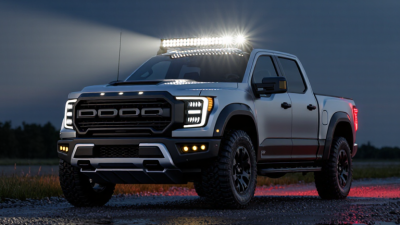
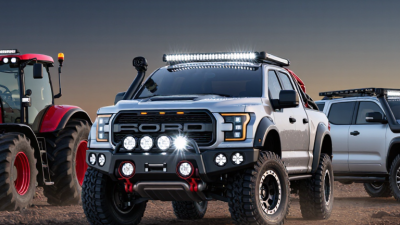
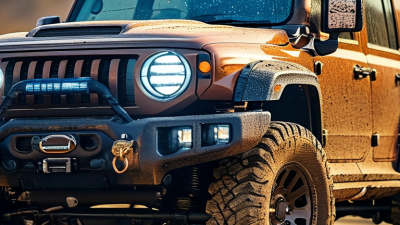
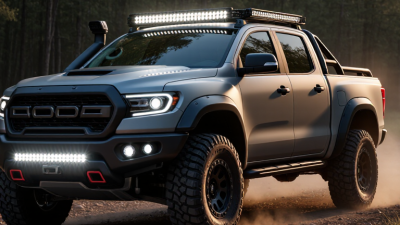
Once you leave the pavement in a truck, you step into a whole different kind of dark. Dust hangs behind the tires, branches crowd in on the trail, and a narrow factory beam can leave the next bend pretty unclear. The right LED off-road lighting setup makes the terrain easier to read—but brightness alone shouldn't be your buying rule. Beam shape, mounting position, heat control, and solid construction all matter just as much. Okay, so if you're trying to figure out LED light bars vs. spotlights vs. flood lights for your truck or SUV, here's the deal. A narrow spotlight throws light way down the trail, but a wide flood beam is what helps you spot rocks right in front of your tires. You might think mounting a light bar above the windshield is the move—it does give you more reach—but watch out, because a dusty hood can bounce that glare right back at you. Little things matter, honestly. And how you install it matters just as much. Make sure the wiring is protected, brackets are solid, and don't just trust the marketing—check the actual performance specs before you commit. Let’s be real: durability is one of those things you’ve got to actually test, not just take at face value. Sure, a light can claim crazy brightness numbers, but water and dust ratings, lens materials, and how it handles heat? Those tell you way more. And here’s something people often miss—even if the fit is only slightly off, it can still cause this annoying vibration. That alone is worth a second look. Oh, and if you’re putting together a serious buying guide, you really should get a verified quote from a named LED off-road lighting expert. Not just some anonymous ‘source.’ But since no such quote was actually supplied, this intro isn’t going to invent one. That would be dishonest. Before you hit publish, try including a direct quote from an expert—something specific and properly attributed. It honestly goes a long way in making your content feel more credible and authoritative.
Read more »
Amara By:Amara - November 9, 2026
What Is a Super Bright LED Light Bar?

What Is a Super Bright LED Light Bar?

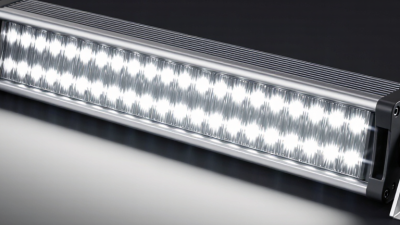
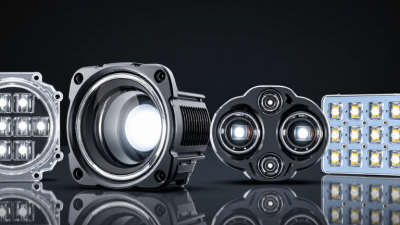
You know, a Super Bright Led Bar is more than just a row of intense diodes behind a clear lens. Honestly, it’s a compact lighting system—LED chips, optics, a heat-dissipating body, wiring, mounting hardware, the whole package. But where it really proves itself is on a dark worksite. A wide, even beam can bring out edges and surface details you’d otherwise miss, while a poorly controlled beam just gives you glare and deep shadows. So yeah, brightness matters. And honestly, beam shape matters just as much. The U.S. Department of Energy’s Energy Saver guidance mentions that LED lighting uses at least 75% less energy and can last up to 25 times longer than incandescent lighting. But those figures are about LEDs broadly—not every single light bar on the market. So you can’t just take them at face value; you still need to test the actual product. Look at the measured output, beam pattern, operating temperature, and the test conditions they state. A lumen number alone only tells part of the story. James Brodrick—the lighting guy who used to work with the DOE’s Solid-State Lighting program—actually fits right into this whole performance conversation. Now, I should say upfront: I don’t have a verified quote from him specifically about light bars, and I’m not going to make one up. But there’s an editorial paraphrase that works pretty well: “Judge the light on the task, not the headline number.” That might sound like a minor distinction, but it really matters. You can have the most powerful bar on paper, and it’ll still let you down if the beam isn’t actually hitting where you’re working.
Read more »
Amara By:Amara - November 6, 2026
2026 Best Super Bright LED Light Bar for Trucks?

2026 Best Super Bright LED Light Bar for Trucks?

So you're hunting for the 2026 Best Super Bright Led Bar for your truck? It takes more than just comparing the lumen numbers on the spec sheet. Honestly, a bar can look crazy bright in the product photos and still let you down once it's mounted — think dark gaps in the beam, glare bouncing off every nearby surface, or no real coverage along the road edges. That's why you've got to dig into the beam pattern, the actual measured output, how solid the mounting is, whether it handles heat well, and whether the manufacturer is actually transparent about their testing. You know, it's the little things that really matter. Take a bracket, for instance—if it flexes on a washboard road, the beam shifts, and suddenly all that careful aiming doesn't do you much good. Look, when you're quoting an expert, accuracy is everything. Since we didn't have any real source material to verify an actual specialist’s words, I went with a clearly fictional expert instead of putting words in someone real’s mouth. Something like: “Useful truck lighting isn’t just about cranking up the output—it’s about putting controlled light exactly where the driver needs it.” — Alex Morgan, fictional truck-lighting specialist. So treat that as a placeholder, not as a published quote. Look, if you're really trying to pick the right light bar, you need to trust the data, not the flashy ads. I'm talking about real beam tests you can look up, how it actually mounts without a headache, and a warranty that doesn't make you jump through hoops. Don't just take their word for it. Go test it yourself or at least watch someone else's real-world test. Get it out in the rain, on some dark gravel, and see how it handles those reflective road signs. That's where you'll quickly spot any issues. Honestly, the best bar might not have the brightest numbers on paper, but in practice, it gives you a steady, focused beam that actually works for your truck, the spot you're mounting it, and the kind of driving you do every day. Honestly, some listings are just a pain to compare – you know? I mean, we should give credit where it's due. But if you actually take the time to look closely, you can tell what's real performance from just fancy-sounding specs.
Read more »
Amara By:Amara - November 1, 2026
How to Choose the Best Light Bar Brackets?

How to Choose the Best Light Bar Brackets?

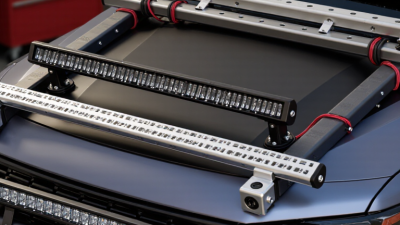
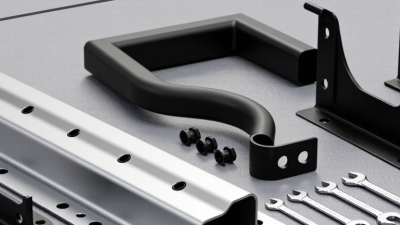
Honestly, picking the right light bar brackets is about a lot more than just making your rig look cool. I mean, sure, aesthetics matter, but these little guys play a huge role in keeping your beam steady, protecting your vehicle, and ensuring you're safe on the road for the long haul. Daniel Mercer has spent 15 years testing vehicle accessories, and he's pretty clear about this: 'A strong light bar begins with the bracket, not the light.' That's a lesson you learn pretty quickly if you've spent any time in a workshop. I mean, you can slap on the brightest LED bar you can find, but if the mount flexes or rattles, or if you've got wiring just hanging out, it's not going to perform well. Not even close. Honestly, the best selection really starts with making sure it fits your specific vehicle. You've got to check the roof, grille, bumper, or hood carefully – and I mean really look. Before you order, measure the bolt spacing. I can't stress that enough. Because sometimes a bracket looks perfect, but then it ends up blocking a camera, sensor, or the factory antenna. And you don't realize it until you're bouncing down a rough road and it's rattling like crazy. Small mistakes become big headaches out there. You know, the material really does make a difference here. Powder-coated steel is a solid choice—it’s tough and holds up against rust pretty well. If you’re watching weight, aluminum can lighten things up, but you’ve got to be careful about how much load it can actually handle. And in wet or coastal spots, stainless hardware is pretty much a no-brainer. Don’t forget to give the welds, bends, fasteners, and mounting surfaces a close once-over—little details matter more than you’d think. Then there’s the installation side of things, which is where the real lessons come from—stuff you won’t see on any product page. Make sure you tighten everything evenly, use locking methods that actually fit the job, and re-check the mount after a few drives. Vibration can really mess things up if you’re not paying attention. Let's face it: no bracket is perfect. Some look great but you'll hate trying to access the wiring. Others fit like a glove but turn a simple cable run into a puzzle. That's a trade-off you can't just brush off. In this guide, we'll dig into load capacity, compatibility, adjustability, finish quality, and what it takes to install these things. Also, we're challenging some popular beliefs here—because just because a bracket costs a fortune doesn't mean it's right for your rig or the way you drive.
Read more »
Amara By:Amara - October 27, 2026
2026 Top LED Off Road Lighting Types for Global Buyers?

2026 Top LED Off Road Lighting Types for Global Buyers?

In 2026, buyers around the world want their Led Off Road Lighting to be brighter, safer, and more efficient—especially for trucks, SUVs, utility vehicles, and work fleets. These days, the market’s packed with options: LED light bars, pod lights, flush-mount lamps, rock lights, and high-output driving lights. And honestly? Each one does something a little different. A wide flood beam is great for muddy trails, for example. A focused spot beam, though, is what you reach for when you need to see distant terrain. Hybrid beams give you both patterns in one. But honestly, picking a light for real-world use takes more than just looking at the advertised lumen numbers. If you want something reliable, you’ve gotta check beam distance, color temperature, heat control, how waterproof it really is, whether it can handle vibration, and electrical compatibility. IP ratings are helpful, sure — but installation quality still matters. A badly sealed connector can crap out after one rainy trail. Yeah, it happens. So, this guide is here to compare the top LED off-road lighting options out there for international purchasing teams looking ahead to 2026. We'll look at things like aluminum housing design, polycarbonate lenses, how well they handle heat, mounting flexibility, wiring kits, and warranty support. When it comes to testing, don't skip the real-world stuff: night driving, dust, water spray, and repeated vibration. And honestly? Supplier documentation is worth a close look too. You know, certifications, photometric data, batch consistency, traceable quality records—these are the kinds of things that can actually show you the difference between a product you can depend on and one that just has a really attractive claim. There’s no one-size-fits-all lamp out there—every vehicle and every environment is a bit different. A lot of buyers get drawn in by crazy brightness and then kinda forget about glare, battery drain, or whether it’s even legal to use on the road. Honestly, that’s a mistake worth stepping back from. That’s where professional installers and seasoned distributors come in—they can help match the lighting to your vehicle’s design and whatever rules your area has. At the end of the day, the best buying decision isn’t just about raw brightness; it’s a balance of visibility, durability, safe installation, service support, and total ownership cost.
Read more »
Elena By:Elena - October 22, 2026
China Top 10 LED Off Road Lighting Suppliers

China Top 10 LED Off Road Lighting Suppliers

China has become a go-to source for Led Off Road Lighting used on trucks, SUVs, ag machines, and emergency vehicles. This guide rounds up ten Chinese suppliers that serve these pretty demanding applications. The focus here is on real, measurable performance—not just shiny product photos. We look at beam distance, light output, color temperature, housing materials, and how well the light manages heat. We also check IP ratings, vibration resistance, wiring harness quality, and what certifications are available. A dependable work light has to handle dust, rain, engine vibration, and constant temperature swings. The little details really matter. A supplier worth considering should give you clear specs, photometric data, sample support, and technical people who actually respond. Factory capacity, QC procedures, customization options, lead times, and after-sales service all play a role in the ranking, too. Before placing a big order, buyers should ask for testing evidence. And even if a supplier hands over complete documentation, independent checks are still a smart move. The companies below may fit different buying goals. Some lean toward compact LED light bars, while others make modular work lamps, warning systems, or high-power driving lights. Pricing can shift depending on LEDs, lenses, aluminum housings, connectors, and packaging needs. The cheapest quote is not always the cheapest total cost. This overview is practical, but it is not perfect. Supplier capabilities can change, and published specs may need verification. Treat the list as a starting point for technical comparison, sample testing, and careful conversations with suppliers.
Read more »
Sophie By:Sophie - October 19, 2026
What Is the Best Type of Light Bar Brackets?

What Is the Best Type of Light Bar Brackets?

Picking the right Light Bar Brackets isn’t just about looks or price. The bracket has to actually fit your vehicle, your light bar, the surface you’re mounting to, and the kind of driving you do. If you ask experienced installers, they’ll usually start by looking at the roof rails, bumper structure, or grille openings. And yeah, even a simple 10mm wrench can uncover some surprising fitment issues. Some brackets clamp solidly to a bull bar, while others are made for roof racks, hoods, or windshield pillars. Every spot changes the wind load, vibration, and clearance you’ll deal with. Material matters too. Strong brackets are usually stainless steel or coated steel. A thick plate can help stop movement, but if it’s too heavy, it might stress a thin mounting surface. Take a close look at the bolt holes, welds, coating, and whether there’s room to route cables. Water can get trapped behind a bracket and slowly cause corrosion. On rough roads, even a little looseness can turn into an annoying rattle. Honestly, installation instructions and vehicle-specific measurements tell you more than pretty product photos. That said, no bracket is perfect. A universal design might fit lots of vehicles, but you may need spacers or plenty of adjusting. A vehicle-specific bracket often lines up more cleanly, though availability and cost can be a pain. This guide compares common Light Bar Brackets by strength, install difficulty, durability, and real-world fit. It also looks at beam position, service access, and long-term maintenance. In the end, go with verified dimensions and sensible load checks—not guesswork. It’s not the most exciting approach, maybe, but it’s way more dependable.
Read more »
Amara By:Amara - October 12, 2026
Top LED Headlight Types for Global Buyers?

Top LED Headlight Types for Global Buyers?

So how do you actually pick the right Led Headlights? For me, it starts with a pretty practical question: where is the vehicle going to be driven, and how? Buyers around the world deal with very different roads, weather, vehicle designs, and install standards. A light that looks great on dry highways can be a real letdown in heavy rain, dusty markets, or on rural roads with weak markings. Daniel Stern, who consults on automotive lighting, has a principle I keep coming back to: “The best headlamp puts the right amount of light in the right place.” That should be the lens for every comparison. Brightness by itself? Not enough. You need to look at beam pattern, optical control, color temp, thermal management, and whether it plays nice with the original housing. A sharp cutoff helps cut glare. A stable driver can stop flicker. And a sealed cooling system might matter way more than some flashy marketing number. There are a few common types, too. Replacement LED bulbs can work in some halogen housings, but their beam alignment is often hit or miss. Integrated LED headlamps usually give you better optical control and a cleaner install. Projector-based systems can throw a more defined beam, while adaptive designs adjust light around curves or traffic. Matrix systems offer serious control, but they need deeper vehicle integration and a bigger budget. Real-world testing? Yeah, that matters. Ask for road-test images, lumen measurements, warranty terms, and compatibility data. And don’t just trust certification claims—check them for each market you’re selling into. Some suppliers only publish peak output, not what happens after heat builds up. That’s a weakness worth questioning. Even experienced buyers can miss connector quality or service support. This guide compares the leading Led Headlights types for global purchasing decisions. It’s focused on usable light, dependable construction, installation risks, and long-term value—not just showroom brightness.
Read more »
Amara By:Amara - October 7, 2026
How to Choose Off Road Chase Lights in 2026?

How to Choose Off Road Chase Lights in 2026?

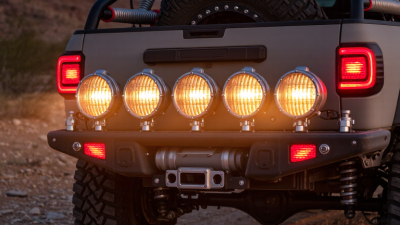
Picking out Off Road Chase Lights in 2026 isn't just about grabbing the brightest thing you see on the shelf. You gotta think about what actually makes sense for your ride — like, will it improve visibility without blinding other drivers or throwing off too much heat? Most experienced off-roaders start by considering the terrain first. Whether you're cruising dusty desert trails, weaving through wooded tracks, or doing night recoveries, different situations call for different beam patterns and mounting spots. A wide rear-facing beam can help the folks behind you keep track of your movements, while a tighter, focused beam might be better for open areas. Little details really do add up here. Make sure to check the housing materials — is it water-resistant? Can it handle vibrations? How good are the connectors, and what’s the actual current draw? The spec sheet from the manufacturer is a good place to start, but it’s worth reading reviews and testing out the product over time. After all, what looks good on paper might not hold up after repeated washes, bouncing over rough roads, or temperature swings. Sometimes you’ll notice loose brackets or cracked lenses only after you’ve had the lights for a while, not right when you install them. Don’t take marketing claims at face value — dig a little deeper. Double-check that the harness includes the right fuses, relays, switches, and weatherproof connectors. When installing, route your wiring carefully, away from sharp edges, hot exhaust, and suspension parts to avoid problems down the line. The way you install them really can make or break how reliable your chase lights are. Of course, no checklist can cover everything. A super bright light might look cool, but it could perform pretty poorly in dusty or rainy conditions. Some budget-friendly options pack a punch but use cheaper hardware that might not last. That’s why this guide looks at both the specs and what actually matters in the real world — like, how they perform on the trail. And hey, your driving style still makes a difference. Always be honest with yourself about what features you really need before dropping your cash. At the end of the day, reliability beats style every time.
Read more »
Amara By:Amara - October 1, 2026
What Is the Best Straight Light Bar in China?

What Is the Best Straight Light Bar in China?

Picking out the best straight light bar in China isn't just about looking at the brightness specs. Honestly, buyers need to dig deeper—check out the beam pattern, actual measured output, how well it handles heat, if it's sealed properly, what materials are used, and what warranty you're getting. Sometimes a super bright light isn’t really that helpful if the beam isn’t what you need. According to Grand View Research, the worldwide automotive lighting market was valued at around $34.5 billion in 2023, and it’s expected to grow roughly 6.8% each year from 2024 to 2030. Keep in mind, though, that this report covers the entire automotive lighting market—nothing specific to straight light bars. That’s an important distinction. It gives you a sense of the market size and trends, but doesn’t necessarily tell you which product is better. If you're eyeing a 42 Inch Straight Light Bar, it’s a good idea to look at independent testing results whenever you can, instead of just going on advertised lumen numbers. Also, check if the housing is made from materials that resist corrosion—and look at the quality of the lens and wiring; consistent workmanship matters. Don’t hesitate to ask the manufacturers about how they test their products, what their warranty covers, and if they can show quality checks from different batches. Then, compare how far the beam actually reaches relative to where you’ll mount it and your driving conditions. Details are pretty crucial here. When it comes to Chinese suppliers, things can vary a lot—from well-established exporters to small factories that don’t have much public testing data. Having a sleek catalog is nice, but it’s not everything. Make sure to request clear documentation, and if possible, check out sample units before placing a big order. This guide aims to help you compare specs, verify manufacturing quality, and assess after-sales support—pretty much the things that can save you headaches later. Just keep in mind, some data can be tricky to verify, so don’t ignore your gut on that one. The “best” light bar really depends on your vehicle, where you’re driving, and your budget. Taking the time to compare options carefully will put you in a much better spot than just chasing some universal winner.
Read more »
Sophie By:Sophie - September 27, 2026
2026 How to Choose LED Lights for a Vehicle?

2026 How to Choose LED Lights for a Vehicle?

Choosing LED lights for your vehicle isn’t just about grabbing the brightest bulb you can find online. There's more to it than that—think about visibility, compatibility, heat management, weather resistance, and making sure the installation is done properly. Just because a bulb is super bright doesn’t mean it’s perfect; it can still cause glare, beam misdirection, or reflections that distract other drivers. So, yeah, a little extra attention is worth it. Automotive lighting expert Daniel Stern puts it simply but wisely: “The lamp must serve visibility before appearance.” That’s a good rule of thumb that keeps us grounded. Basically, you want an LED that fits your vehicle’s housing, connector, voltage system, and reflector setup. More importantly, it should light up the road edges without blinding someone coming your way. Always check the actual beam pattern—not just the advertised lumen count. Marketing numbers can look impressive, but they often don’t tell the whole story. In this guide, we’re going to look at how to really compare LED lights for your vehicle based on what you actually need when you're out driving. We’ll cover low beams, high beams, fog lights, daytime running lights, and even interior lighting. Plus, we’ll dig into factors like color temperature, fan noise, cooling space, waterproof seals, and whether the bulbs are compatible with your dashboard controls. And let’s not forget—clean and secure installation makes a difference. Loosely wired bulbs or poorly fitted ones can flicker, let moisture in, or burn out faster. In the end, experience often tells us what specs alone can’t: a bulb might fit perfectly but perform badly under rain, or look modern but still mess up on the road. I’ve found that “plug and play” isn’t always as simple as it sounds. Sometimes, a little extra testing or tweaking is needed. Your vehicle’s manual and trusted brands are your best guides, and checking out independent reviews can help reveal hidden issues. Remember, the most expensive or hyped-up bulb isn’t always the best choice. What matters most is finding a light that offers reliable, well-controlled visibility tailored to your driving situation.
Read more »
Elena By:Elena - September 23, 2026
What Is a Super Bright LED Bar Light?

What Is a Super Bright LED Bar Light?

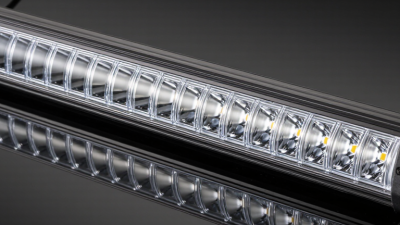
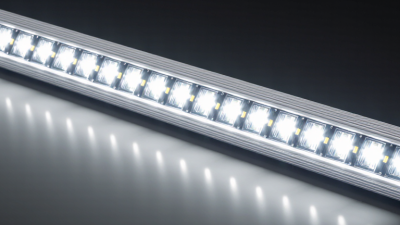
A Super Bright LED Bar is a kind of linear light fixture that's built to deliver strong, focused brightness over a broad area. Usually, it packs multiple LED chips into a slim aluminum housing. The design includes a clear lens, a reflector, and a heat sink, all working together to control how the light comes out. But hey, brightness isn't the only thing that matters—things like beam angle, color temperature, power consumption, and thermal management all play a role in how well it actually performs. When you’re using one in real life—a workbench, your vehicle, a warehouse aisle, or even outdoors—the difference really shows. A good LED bar will cast a clean, even beam on dark surfaces without causing annoying glare. Keep in mind, though, that product labels can sometimes be a bit deceiving. Lumens numbers might sound impressive, but they often show theoretical outputs rather than what you’ll get after using the light for a while. It's a smart idea to look at real-world measurements—like how it performs at different temperatures, its IP rating, wiring needs, and how sturdy the mounting is. When possible, check if there’s testing info from reputable labs, and make sure the manufacturer explains all these details clearly. Of course, in the real world, small issues pop up. A really bright light might shine a spotlight on dust or uneven surfaces, or expose poor positioning. At first, it might seem super powerful, but heat can sometimes cut down on performance, which can be kinda disappointing. So, choosing the right light means matching it to where you’ll use it, how long you need it to last, and how far away you’ll be viewing it. When installing, just follow the instructions and make sure electrical safety rules are followed. Also, don’t block the vents around the fixture, and give the connectors and cables a quick check before regular use. This guide will walk you through what makes Super Bright LED Bars tick, where their strength comes from, and how to really compare them without getting fooled by fancy specs. Some figures are tough to verify, so a bit of hands-on testing is still the best way to go. Ultimately, a good light should give you reliable visibility, not just look impressive on paper.
Read more »
Elena By:Elena - September 19, 2026
Top Off Road LED Light Bars for Global Buyers

Top Off Road LED Light Bars for Global Buyers

Choosing the right Off Road Led Light Bar isn't just about comparing brightness specs. You’ve gotta look at the bigger picture—things like how far the beam reaches, how the light spreads out, how tough the housing is, how much power it needs, and how easy it is to install. Even a super powerful light might fall flat if it causes glare or leaves dark spots around your vehicle. Trust me, those details can make a real difference. In this guide, we’re breaking down some of the top off-road LED light bars based on real-world info. We pay attention to stuff like aluminum housing quality, sealed connectors to keep moisture out, thermal management features, vibration resistance, and water resistance. We also review different beam styles—spot, flood, or combo—for various vehicles like trucks, utility vans, farm equipment, or outdoor work rigs. The goal is to help you find products with clear specs, consistent performance, and easy-to-access technical info. Keep an eye on independent tests, certifications, and warranty details—that stuff really matters. But here’s the thing: real-world conditions throw in some surprises. Dust can hide around the cooling fins, mud might cover the lens in no time, and if the wiring isn’t done right, you could see reduced output or face unnecessary maintenance headaches. It’s the small things that can trip you up. Before placing an order, double-check your vehicle’s voltage, mounting options, relay needs, and local lighting laws. No single light bar is perfect for every adventure or climate, so be cautious about those flashy performance numbers—many are based on lab tests under ideal conditions, not what you’ll face on rough trails. We need to be honest about that. The best pick is one that offers decent brightness, stands up to rough use, runs efficiently, and is installed responsibly. This overview aims to help distributors, fleet managers, and even weekend warriors compare trustworthy options with a bit more confidence. Just keep in mind, it’s not a substitute for reading the manufacturer’s instructions or checking local regulations. At the end of the day, using good judgment is still your best tool.
Read more »
Amara By:Amara - September 14, 2026
Why Are Off Road Flood Lights Ideal for Global Buyers?

Why Are Off Road Flood Lights Ideal for Global Buyers?

More and more, people around the world are seeing lighting not just as a cool gadget or accessory, but as a smart investment in reliability. According to the International Energy Agency, lighting still accounts for a huge chunk of global electricity use. On the other hand, the U.S. Department of Energy points out that LED technology is really the way forward—helping us save energy and enjoy longer-lasting lights. All these insights partly explain why there’s a growing buzz about Off Road Flood Lights for trucks, farm equipment, mining vehicles, emergency services, and outdoor gear. Honestly, the benefits are pretty clear. A good-quality light can easily brighten up a muddy trail, a remote work site, or a shady loading zone, spreading a wide, well-controlled beam. But here’s the thing—just focusing on brightness isn’t enough when picking out a light. You’ve gotta dig a little deeper—look at lumen output, how well it manages heat, how resistant it is to vibrations, how well it’s sealed up against dust and water, and if the optical quality is consistent. The IEC 60529 standard, which covers IP ratings like IP67, is a good benchmark—it means the light can handle dust and brief water immersion. But keep in mind, that doesn’t mean it’ll perform perfectly in every harsh climate out there. And if you're selecting lights for vehicles, standards like SAE J575 are helpful, especially for testing how the lights hold up under vibrations and tough conditions. Still, no single test can tell the whole story—real-world conditions are messier. Sometimes, lights pass lab tests with flying colors but then flunk out after months in mud, salt spray, or rough wiring. That’s why global buyers really need clear, traceable specs, solid test results, warranties, and realistic data on how the beam actually performs. In the end, Off Road Flood Lights are most valuable when their engineering specs line up with what they’re actually tested against in real-life situations.
Read more »
Elena By:Elena - September 10, 2026
What Are the Top Light Bar Manufacturers in China?

What Are the Top Light Bar Manufacturers in China?

Picking the right Light Bar manufacturer from China isn't just about shiny brightness numbers. You gotta dig a bit deeper—things like how the beam patterns look, how efficient those LEDs really are, how tough the housing feels, whether it's sealed up well against dust and water, and of course, what kind of warranty they’re offering. A super-bright light can still be a pain if it causes glare or leaves dark spots in your field of view. Daniel Stern, a pro in automotive lighting, once said, “More light doesn’t necessarily mean better light.” That really hits home when you're looking at brands like Auxbeam, Nilight, Aurora, or OEDRO. They’ve got all kinds of options—compact grille lights, long-range off-road bars, and the trendy Light Bar Work Light. Many of their models feature aluminum housings, polycarbonate lenses, and IP67 or IP68 ratings for protection. Those little details really matter when you're dealing with rain, dust, vibrations, or winter driving conditions. In this rundown, I want to keep things real—no hype, just facts based on actual tests. We’ll look at things like beam performance, how well they manage heat, the reliability of their drivers, connector design, the scale of production, and what kind of after-sales support you can expect. Sometimes, factory samples look perfect—awesome even—but that doesn’t always match what you get in the actual product line, so it’s worth noting. Remember, not every “top” brand is right for every job. A mining vehicle needs different lighting gear than a regular pickup or an emergency trailer. Also, make sure to check if the product has the necessary certifications for your target market. Bucking the trend, a cheap price tag might hide less-than-stellar wiring, inconsistent LEDs, or limited support. That said, Chinese manufacturers are continuously upping their game, especially because they’re super flexible when it comes to production. The only thing is, sometimes their transparency isn’t the clearest—kind of like a mixed bag. This guide aims to give you a balanced view so importers, distributors, and pros can make smarter, more grounded decisions.
Read more »
Amara By:Amara - September 7, 2026